Interested? Just tap the phone to give us a call.
Interested? Just tap the phone to give us a call.
August 27, 2020
Types of Actuators (Grouped by Power Source)
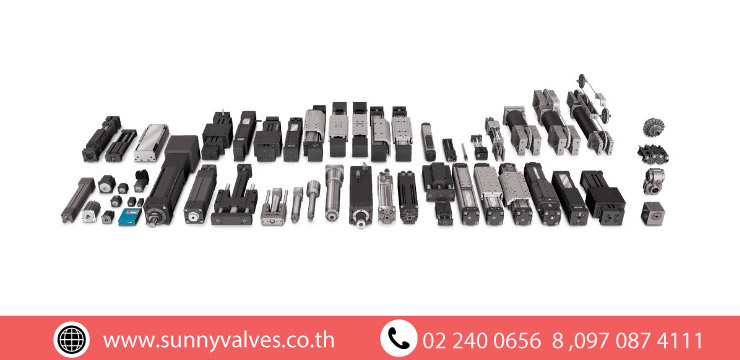
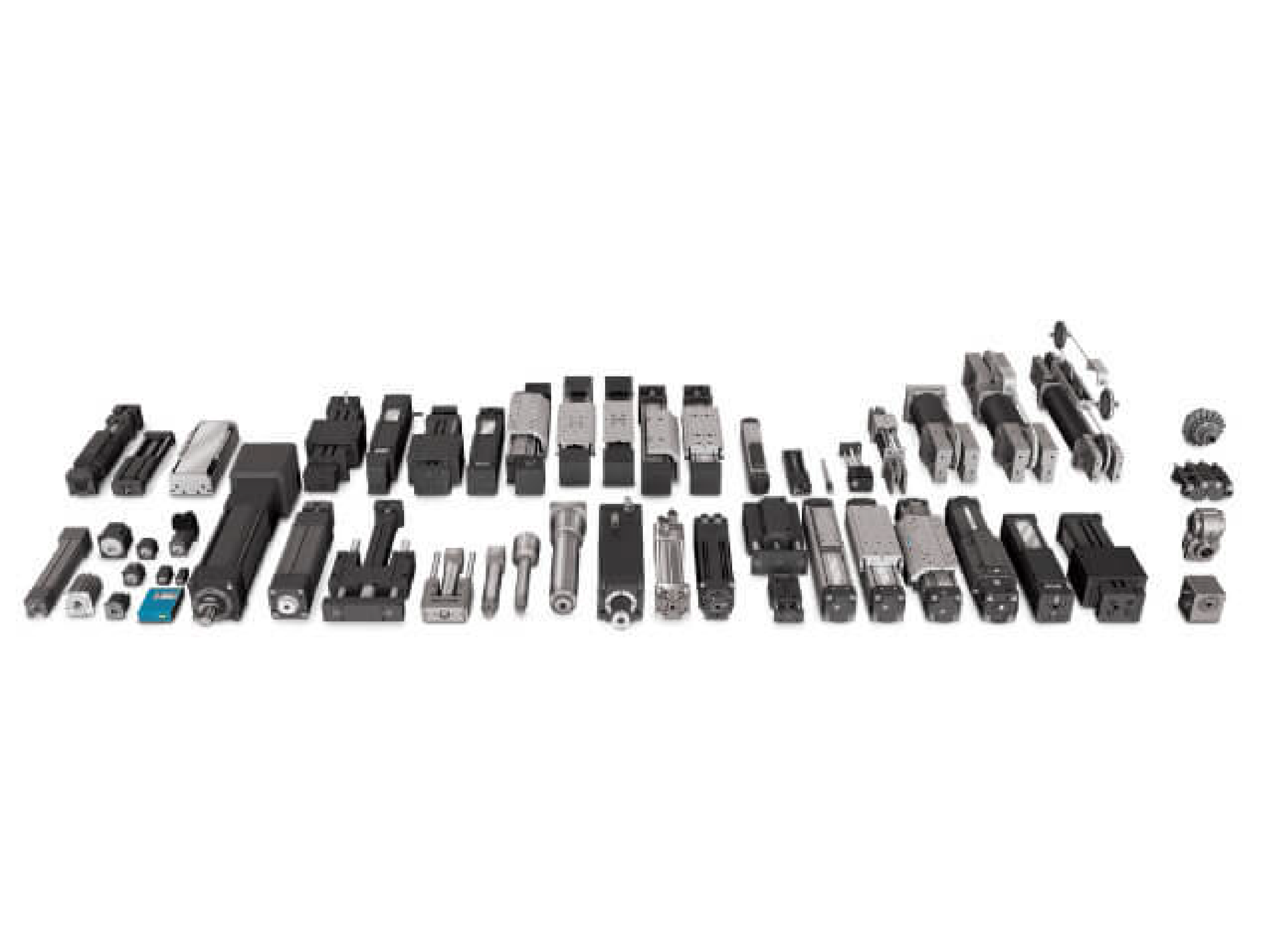
An actuator is a device that provides — and limits — the movement or positioning of a system using a power source such as electricity, mechanical force, or fluids like compressed air, hydraulics and so on. Driving an actuator generally requires a motor, a cylinder, or other moving components connected via ball screws, racks and other parts to generate rotary or linear force. The types of actuators vary depending on the power configuration used, and they also come in many styles and sizes.
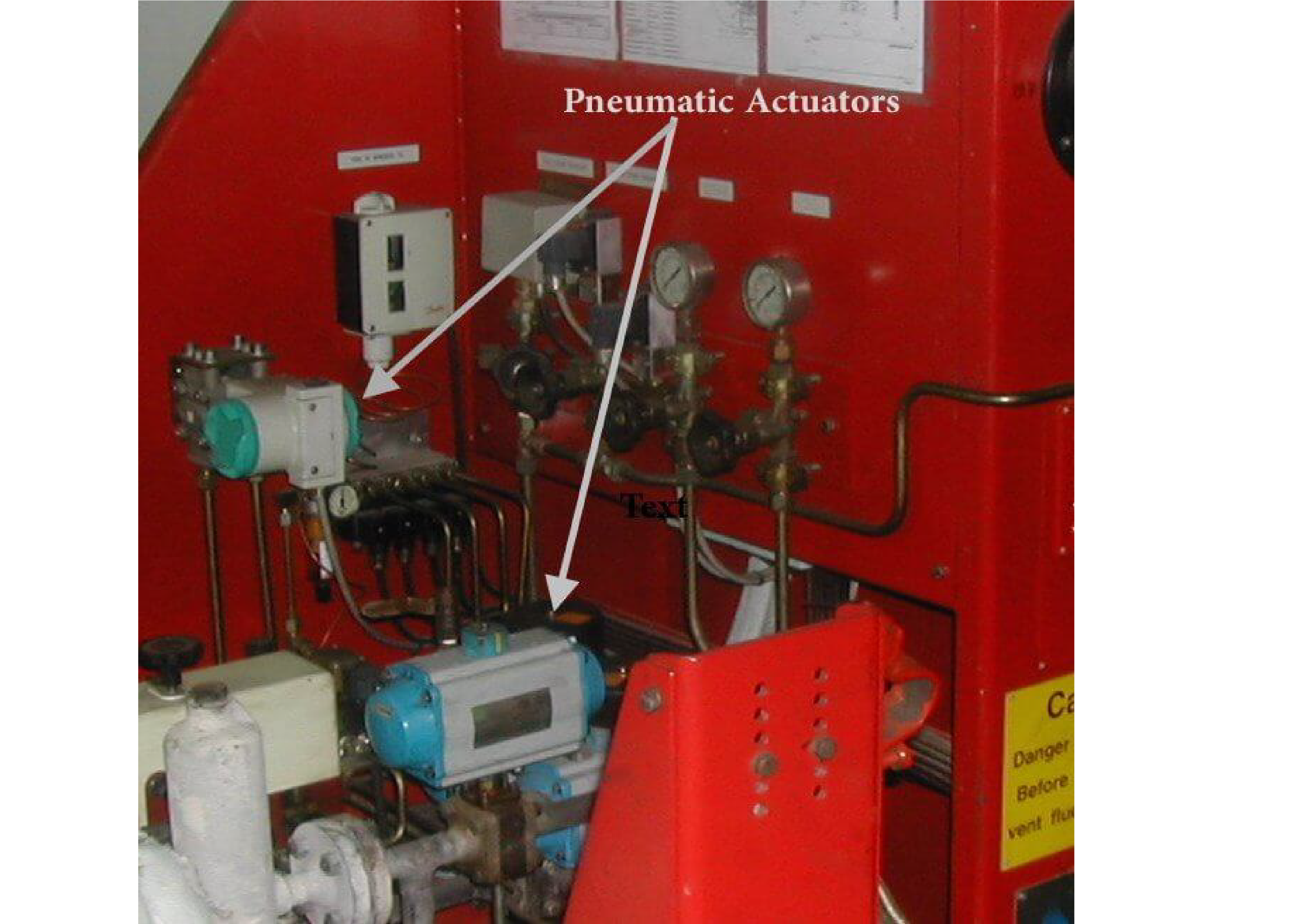
Pneumatic: Pneumatic actuators are the most widely used type, mainly for controlling prime movers, because they operate quickly and economically and are environmentally friendly. They convert energy using compressed air and need regular maintenance and frequent inspection. Pneumatic actuators are easy to use, inexpensive and reach their operating target quickly; however, they suit simple movements and have a high TCO (total cost of ownership).
Hydraulic: Using hydraulic power in a cylinder or motor produces high mechanical force; in other systems it works by rotation. Hydraulic power is applied to one side of a piston, or sometimes both. Although a hydraulic actuator is compact, it delivers a great deal of power and suits high-pressure work. It is also low in cost, but it has drawbacks such as leakage and relatively low precision.
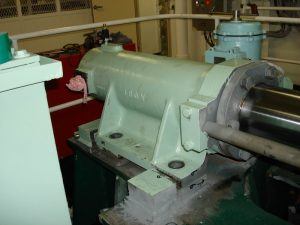
Electrical: Because electric actuators need no oil and no compressed air, they are the cleanest system. They can run on DC or AC power and convert it into mechanical motion, which makes them popular across many industries, for example on multi-turn valves. Electric actuators are low in cost yet can handle complex motion, although starting them up is more complicated than the other options.
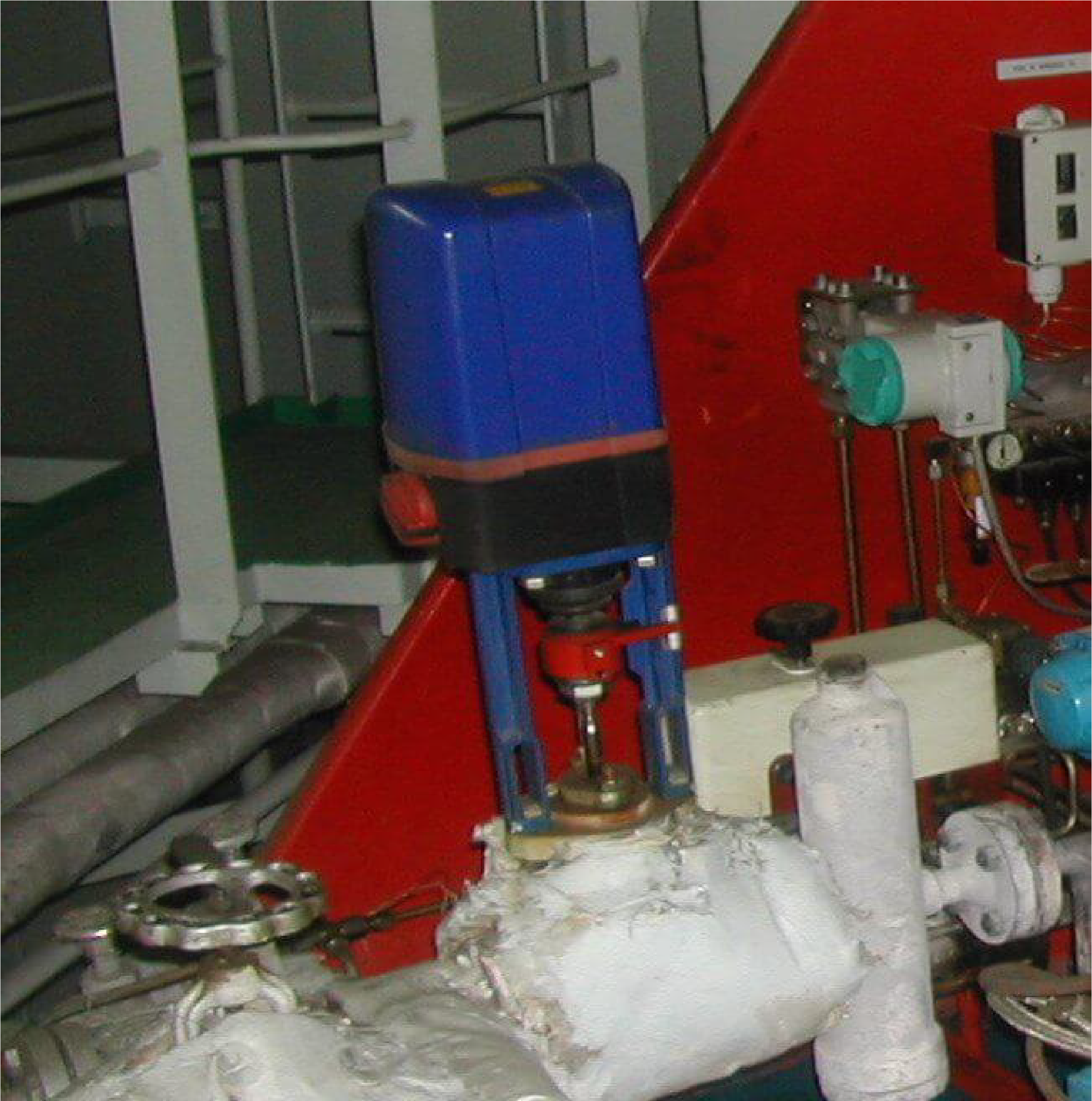
Mechanical: A mechanical actuator converts the rotary motion of a physical object into linear motion to do work, using pulleys, gears, rails, spring wire, chains and the like.
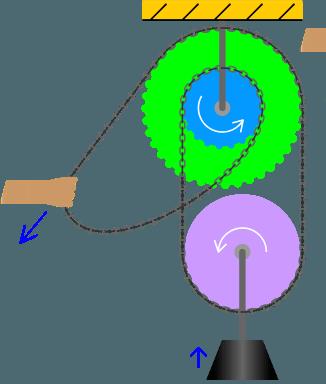
Thermal (Magnetic): A thermal actuator uses SMM (shape-memory material) to generate energy density and suits commercial applications. Thermal actuators are low in cost, small and lightweight.
Hybrid: A hybrid actuator is a combination of systems. Thermal actuators are used to control the mechanical parts of a system. A common example is the thermo-hydraulic electronic actuator, used to operate valves in hot-water systems, where the water-heating system works together with an electronic system that controls the valve.
Manual: A manual actuator is easy to use — whether a crank or a flywheel — and includes the valve needed for operation. But sometimes the valve has to be opened and closed frequently. Manual actuators are cheap to buy and cheap to install; however, they are not suited to work that demands precision, and they need continuous maintenance. They also cannot be operated continuously for long periods.
Sources
https://www.motioncontrolonline.org/blog-article.cfm/Types-of-Actuators/27
https://www.thomasnet.com/articles/pumps-valves-accessories/types-of-actuators
https://medium.com/@dipalibhalekar1810/different-types-of-actuator-af05f9d558c0
https://www.marineinsight.com/tech/what-are-actuators-and-different-types-of-actuators-used-on-ships